
FAQ's Professional Mould Removal Sunshine Coast
Please reach us at stephen@mouldmedico.com if you cannot find an answer to your question.
FACT: What Mould Needs to Grow
Mould needs these conditions before it can begin to grow in a home:
- Mould spores
- A food source (e.g. wood, gyp rock/plasterboard, cotton, leather)
- Darkness (mould can't grow under ultraviolet light)
- Warmth (mould can't grow in freezing temperatures)
- Oxygen
- Moisture(e.g. water leaks, humidity)
- Enough time (most mould's can begin to grow in 24–48 hours if the conditions are right)
Moisture is really the key cause of mould growth, since the other conditions on the list are always going to be present in homes.
So, essentially, the difference between whether mould grows in your home or not comes down to whether you have a moisture problem.
Humidity Causes Mould
If the weather's been very humid for a few days in a row, you might notice mould starting to grow in your home. When it rains for several days, it's especially common to see mould start to grow on walls, benches and other surfaces because of the wet air.
If you live where humidity in the air is naturally high, like by the coast or another large body of water, then mould growth in your home can also be a recurring problem.
Also, when moisture inside your house evaporates into the air it increases the humidity indoors. If your home isn't well ventilated, then the humidity will stay high for a long time.
Drying clothes indoors on clothes lines or stands is a common culprit when it comes to causes of indoor humidity problems. The household HVAC system can also create humidity troubles while it artificially heats or cools the air.
Sometimes people use humidifiers in their homes. But there are moulds that only need the humidity level to be higher than 55% to start growing. So if you need to use a humidifier in your home make sure to keep the humidity below 55%.
Not only does high humidity feed mould, but it means that puddles of water and damp materials in the home take longer to dry out. These wet surfaces can in turn create mould growth of their own.
Leaking Pipes Cause Mould
Water leaks from pipes are a common cause of mould growth. The worst leaks are the ones that go undetected because they are hidden out of view, like inside a wall. By the time you discover these leaks mould has usually started to grow already.
Leaks in Roof Cause Mould
Like some leaking pipes, a roof that leaks into the attic might not be discovered until it's already led to mould growth.
The best thing to do is to check the roof void/cavity regularly for leaks and keep an eye on the ceiling below the roof void/cavity. If you notice any signs of water damage on the ceiling or any mould that has grown through, then you probably have a leaking roof or leaking water from pipes or something.
Condensation Causes Mould
Cold surfaces can create condensation in your home. Condensation collects on cold metal pipes as well as on cold concrete floors, even if there is carpet over the top, and on walls. Places like these where condensation occurs are prime spots for mould growth.
Poor Ventilation Causes Mould
If your home is poorly ventilated, it can create pockets of stagnant moist air which mould thrives in. Steam and water evaporating into the air creates humidity inside, which then needs to be circulated outdoors through windows to keep the moisture level balanced.
Poor ventilation also means wet surfaces dry out more slowly. Ventilation is especially important in rooms such as the bathroom and the kitchen, there is a lot of steam.
Wet Clothes Causes Mould
If you leave clothes wet for a long period of time in your house, mould can grow on them as well as on other surfaces due to the moisture wet clothes release into your home.
Damp clothes left in a pile waiting to be washed for more than a day can lead to mould growth. Clothes left wet for over a day after being washed may also end up fostering mould.
Drying your clothes in a dryer instead of outside on the line releases a large amount of moisture into your home if the drier is not vented outside the house. Clothes drying inside on indoor clothes lines or racks will also create a build up of moisture inside unless the room is well ventilated.
Flooding Causes Mould
It is almost inevitable that some mould problems will develop after your home has been affected by flooding. Obviously, your house will be very wet for a long time during a flood, taking days or even weeks to dry out. Since mould only needs a suitable surface to be wet for 24 hours before it can grow this means there is a huge risk of mould growth.
Some dangerous toxic moulds require more extreme conditions than common moulds do, such as the toxic mould Stachybotrys Chartarum requires material to be very wet for several days to grow. A flood can create these conditions putting your home more at risk of being infested with dangerous toxic moulds.
Damp Basement Causes Mould
Basements often contain higher amounts of moisture or humidity than other rooms because they are usually not well ventilated. Basements are also often colder meaning more condensation occurs which leads to dampness and humidity.
Also any water from leaks in your home will often end up running down to the basement since it is lower than all the other rooms. Not only is mould more likely to grow in basements but because they are usually neglected mould growth may not be discovered until it is well set in.
Water at the House's Foundation Causes Mould
Water building up in the yard and ground around the base of your house can cause frequent water problems for the foundation of your home.
If the ground around your home slopes towards the house, rainwater will end up building at the foundation. If this causes constant problems, you might even need to do some landscaping to modify the slope of the ground so water drains away from the house. Alternatively, ditches and drains can be dug to channel water away from the home.
FACT: The main things mould needs to grow in a home are organic materials to feed on and moisture. In houses there are always plenty of organic materials for mould to live on such as wood, gyp rock/plasterboard and various other building materials.
Moisture, on the other hand, can be controlled practically, and so keeping the moisture in your home low is the best way to prevent mould growth.
Prevent Mould by Preventing Moisture
Most moulds need 24–48 hours of moisture to begin to grow. Therefore, if a suitable material in your home is wet for more than 24 hours, then you run the risk of mould starting to grow.
Prevent Mould by Preventing Water Leaks
There are a few main things which usually cause moisture problems in the home. One is water leaks. These include things such as leaking roofs or walls, leaking pipes and leaking taps or a leaking shower.
If you know of any leaks in your home, you should fix them without delay. You might need to inspect your home to find any water leaks you didn't know about.
Prevent Mould by Preventing Condensation
Condensation is another frequent cause of moisture. Condensation forms on cold surfaces when water vapour in the air cools and becomes liquid. Often you'll see condensation on metal pipes, concrete walls, water tanks and windows.
One way to reduce condensation is to keep the temperature warmer in rooms. For example, by installing insulation. You can also insulate the surfaces themselves such as putting coverings over metal pipes. You'll also have less condensation occurring if you keep the humidity in your home low.
Prevent Mould by Reducing Humidity
Many species of mould can begin to grow from humidity alone if the humidity stays high for long enough. In fact the humidity only needs to be higher than 55% before some moulds can begin to grow.
The best way to keep humidity low in your home is through ventilation. Open the windows during the day, especially when it's hot since this is when humidity is usually the lowest outside. Close your windows when it's raining outside though.
It's especially important to ventilate the rooms where steam and moisture builds up, like the kitchen and bathroom. Exhaust fans help to reduce the humidity when doing things like cooking or washing dishes.
Air conditioners can also reduce household humidity, as can using dehumidifiers in your home.
Wet Clothes and Preventing Mould
One common cause of moisture problems in homes is wet clothes. After you've washed your clothes, you should immediately dry them. Don't leave them sitting in a wet pile for a long time. Make sure not to leave any wet clothes lying around waiting to be washed, too.
It's best to dry your clothes outside on a clothes line if you can. Hanging them inside on a clothes horse or indoor clothes line will not dry them as quickly, and the moisture from your clothes will evaporate into the air, raising the humidity. If you dry them in a clothes dryer inside your home, then you should exhaust the air outdoors if possible. In either case, make sure the room where you're drying your clothes is well ventilated.
Removing Mould
Once mould has begun to grow in your home, it's not enough to just take away the mould's moisture source. Mould that runs out of moisture can lie dormant for a long time without dying. So if you already have mould growth in your home, you need to take steps to have it removed.
Mould Food Sources and Cleaning to Prevent Mould
Mould grows and feeds on organic substances such as wood or cotton. Mould should not grow on surfaces like plastic, metal or glass unless there is a layer of grease or some other organic substance which it can feed on.
Some materials mould commonly grows on in the home include wood, carpet, food, paper, insulation, wallpaper, paint, wallpaper glue, plasterboard, fabrics, cotton, books, leather, chipboard, furniture, dust, ceiling tiles, inside air conditioners and almost any other organic material.
You should clean regularly to reduce dirt and grime, which mould can live on. Dust and vacuum often, ideally with a HEPA (High Efficiency Particulate Air) filtered vacuum cleaner, to remove dust and other substances that mould can grow off of. It has been found that 80% of mould grows on dust.
Minimising Mould Spores to Prevent Mould
Mould spores are everywhere in the air outside. They float through buildings all the time, and there is no practical way to remove all mould spores indoors.
However if the concentration of mould spores inside is significantly higher than outside then it can start to cause health issues. A higher amount of mould spores also increases the potential for mould problems to start.
Mould spores enter homes through windows, doors, air ducts, etc. They can also be transported inside attached to skin, clothing, hair, pets, etc.
Although you cannot eliminate all mould spores inside your home or prevent all mold spores from entering, minimizing the amount of spores will prevent you from suffering mould related health problems and lessen the chance of mould beginning to grow in your home.
To minimize mould spores clean and dust often. Also vacuum your home regularly, preferably with a HEPA vacuum cleaner to remove mold spores. HEPA air filters in your home also help remove mould spores from the air.
Sunlight to Prevent Mould
Mould loves dark spaces indoors to grow in. Allowing sunlight in will reduce the chances of mould growing so open the curtains in rooms during the day to let natural light in.
Toxic Black Mould – What Sunshine Coast Homeowners Need to Know
“Toxic black mould” is a term commonly used to describe Stachybotrys chartarum, a mould species known for producing harmful compounds called mycotoxins. This type of mould is often associated with water-damaged homes across the Sunshine Coast, where humidity and moisture create ideal growth conditions.
What Does Toxic Black Mould Look Like?
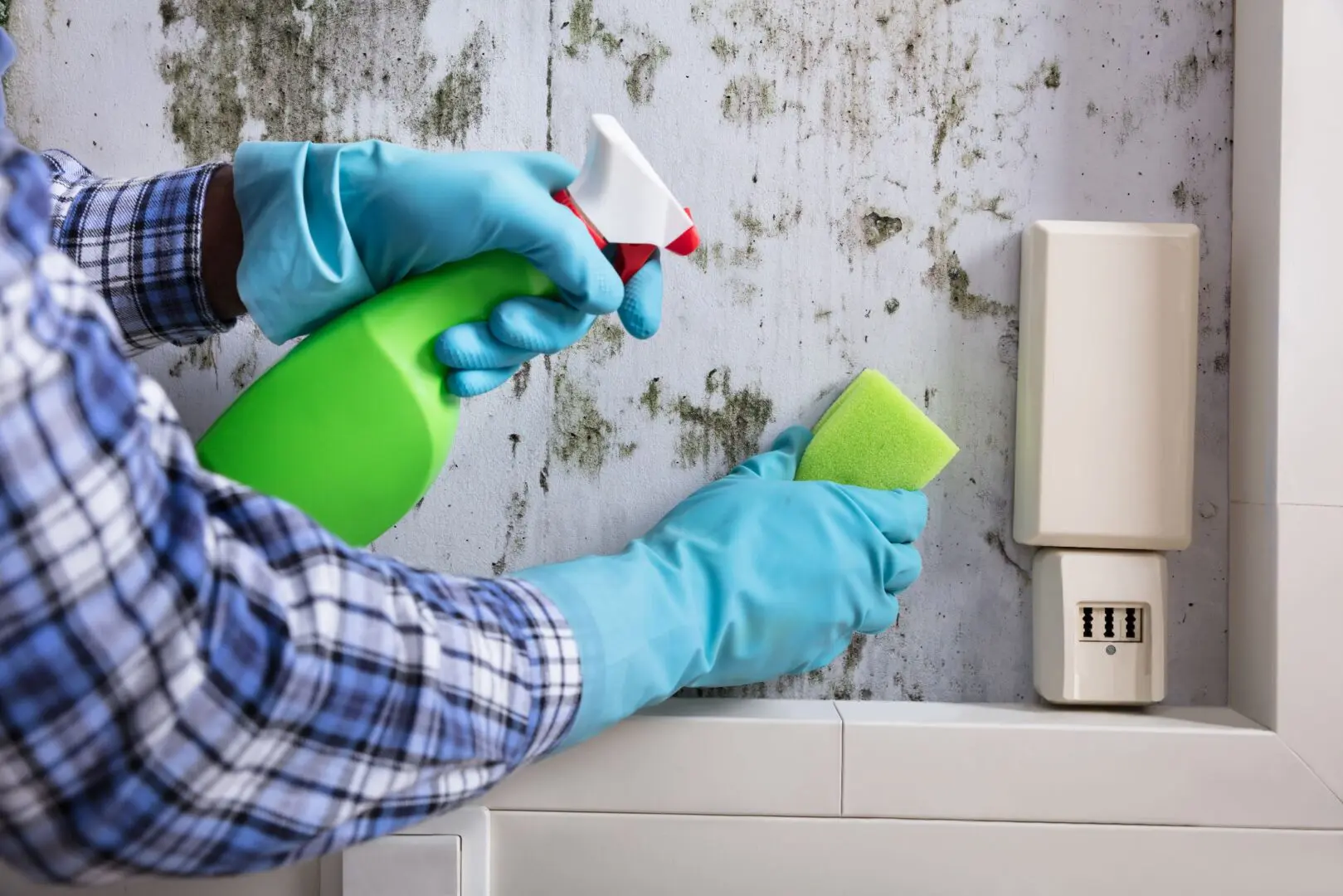
Toxic black mould typically appears dark green to black and has a slimy or gelatinous texture due to constant moisture. When the area dries out, it may become powdery and less obvious.
Many mould types look similar, so accurate identification requires professional testing and microscopic analysis.
Symptoms of Toxic Black Mould Exposure
Exposure to mycotoxins may lead to a range of health effects, particularly in sensitive individuals. Common symptoms include:
- Respiratory issues (coughing, wheezing)
- Skin irritation or rashes
- Eye, nose and throat irritation
- Fatigue and headaches
- Nausea
- Brain fog or difficulty concentrating
- Immune system suppression
Long-term exposure in heavily contaminated environments may contribute to more serious health complications.
Professional Toxic Black Mould Removal
Attempting to remove toxic black mould yourself can make the situation worse by spreading spores and mycotoxins throughout your home.
At Mould Medico, we provide safe, controlled mould remediation across the Sunshine Coast and Hinterland. Our process minimises disturbance, contains airborne contaminants, and ensures thorough decontamination for a safe and healthy home.
Where Toxic Black Mould Grows
Toxic black mould thrives in warm, humid environments and grows on materials high in cellulose, including:
- Plasterboard (drywall)
- Timber and wooden structures
- Carpets and insulation
- Ceiling cavities and subfloors
It is commonly found in hidden areas affected by long-term moisture such as:
- Leaking roofs
- Behind walls
- Under flooring
- Inside ceiling spaces
How Long Does It Take to Grow?
Unlike other moulds that can grow within 24–48 hours, toxic black mould typically requires materials to remain wet for at least 7–12 days before it begins to develop.
Once established, it can spread and dominate the affected area quickly.
Mycotoxins and Health Risks
Mycotoxins are microscopic toxic compounds produced by mould colonies. These toxins can become airborne and are most commonly inhaled, potentially leading to ongoing health issues.
This is why professional mould remediation is essential — not just removing visible mould, but addressing the invisible contamination left behind.
Toxic Black Mould FAQs
Is toxic black mould dangerous?
Yes, toxic black mould can produce mycotoxins that may impact respiratory health, skin, and overall wellbeing, especially with prolonged exposure.
Can I remove toxic black mould myself?
No, DIY removal is not recommended as disturbing the mould can release harmful spores and toxins into the air, worsening contamination.
How do I know if I have toxic black mould?
Only professional testing can confirm if mould is Stachybotrys chartarum. Visual identification alone is not reliable.
What causes toxic black mould in homes?
It is typically caused by long-term moisture issues such as leaks, flooding, or high humidity levels inside the home.
How quickly does toxic black mould grow?
It usually takes 7–12 days of consistent moisture before toxic black mould begins to develop.
Do you service the Sunshine Coast?
Yes, Mould Medico provides professional mould remediation services across the Sunshine Coast, Noosa, and Hinterland regions.
FACT: With prolonged mould exposure, the endocrine and nervous system can be affected, leading to symptoms such as dizziness, mood changes and memory loss. Breathing in toxic mould spores, hyphae's and fragments can also compromise the body’s immune system. Those with chronic illnesses, respiratory illness (including Asthma), the elderly and infants are most vulnerable to the adverse health effects of Mould. 24% of the population are unable to produce antibodies to combat Mould. Certain moulds can produce mycotoxins, which can pose health risks. Individuals with allergies or respiratory conditions may be more susceptible. Additionally, different mould's have varying levels of toxicity. Professional assessment and remediation are crucial for ensuring a safe environment. Mould spores in the air can be inhaled and are known to cause serious adverse health problems to both humans and pets such as:
- CIRS (Chronic Inflammatory Response Syndrome),
- Respiratory illnesses
- Autoimmune issues
- Gluten sensitivity
- Blood clotting abnormalities
- Multiple sclerosis (MS)
- Ulcerative colitis
- Chronic fatigue
- The suppression of endorphins also occurs, causing chronic pain
- Frequent urination
- Low blood volume
- Low blood pressure
- Static electricity shocks
- Chronic foot/ankle pain
- Plantar fasciitis
- Bronchitis
- Hair loss
- PANS/PANDAS
- Blood glucose issues
- Random muscle cramps
- Nutrition Deficiencies
- Chronic utis and thrush
- Chronic gut issues (GERD)
- Chronic sleep issues
- Chronic mineral imbalance
- Tinnitus
- Food Intolerances/allergies
- Environmental allergies
- Sneezing
- Sibo infections
- Mental health illnesses - Fight or flight, anxiety, severe depression, lack of emotional
- Regulation, mood swings, anger, OCD, Disorientation, reduced ability to deal with stress,
- Suicidal thoughts, hallucinations, delusions, irritability, Confusion, Difficulty recalling
- Words/concentrating, Reduced ability to plan and execute, lack of motivation
- Presents ADHD/Autistic
- Alzheimer’s dementia
- Asthma
- Long-term upper respiratory disease
- Nose bleeds
- Poor sleep
- Fatigue/Weakness
- Muscle aches and cramps
- Unusual or ice pick pain
- Heart Palpitations
- Restlessness
- Red eyes, Blurred vision
- Sinus issues (sinusitis, runny nose)
- Shortness of breath
- Cough
- Seizures
- Fever
- Nausea
- Edema
- Sharp shooting pain
- Abdominal pain
- Vasculitis
- Memory problems
- Tremors
- Burning along the spine
- Leaky gut
- Sensitivity to touch
- Sense of internal vibration
- Joint pain
- Weight gain/Weight loss, Unable to lose weight
- Poor/inconsistent body temperature regulation
- Excessive thirst
- Appetite swings
- Tremors
- Vertigo
- Metallic taste
- Static shocks
- Histamine intolerance (MCAS)
- Constipation/diarrhoea
- Night sweats
- Light sensitivity
- Tingling
- Unusual skin sensitivity
- Neurological
- Sore throat
- Whole-body, chronic inflammation.
- Reduced exercise ability
- Infertility, endometriosis, irregular cycles and PMS
Does Mould Only Grow in Dirty Homes?
Fact: Mould growth is not an indicator of poor hygiene or housekeeping. It is a naturally occurring biological process driven by environmental conditions rather than cleanliness alone. Mould spores are present in virtually all indoor and outdoor environments and can establish themselves wherever the conditions are favourable.
Mould requires three primary factors to grow: moisture, adequate temperature (typically warm conditions), and a food source. Common building materials such as plasterboard, timber, carpets, insulation, and even household dust provide sufficient organic matter to support mould development. As a result, even properties that are regularly cleaned and well maintained can experience mould issues if excess moisture is present.
Moisture is the critical driver. This can originate from a range of sources, including water leaks, roof ingress, plumbing faults, high indoor humidity, condensation, or insufficient ventilation. In climates with elevated humidity levels—such as coastal and subtropical regions—these conditions can occur frequently, increasing the likelihood of mould growth regardless of how clean a home may be.
It is important to understand that mould is an environmental issue, not a cleanliness issue. Effective prevention and control therefore rely on managing moisture levels, ensuring adequate ventilation, promptly addressing water damage, and maintaining appropriate indoor humidity levels.
In summary, a clean home does not guarantee a mould-free environment but it does help. Proactive moisture management and environmental control are the key factors in preventing mould growth.
FACT: While many mould removal products contain sodium hypochlorite, the active ingredient in bleach, there are several reasons to use alternatives to chlorine bleach when killing mould. One explanation is that mould growing in porous materials cannot be entirely destroyed by bleach. Bleach's chlorine is unable to seep through porous materials like wood or gyp rock. Only the water component of the bleach is absorbed into porous materials, leaving the chlorine on the surface and giving the mould more moisture to feed on.
You might be stuck in a cycle of constant bleaching if some of the mould on the surface is killed, but the mould's roots are left untouched. This means that the mould will quickly return. Maybe for this reason, some people think that if you spray bleach on mould it kills it, and it disappears, but it just bleaches the colour and makes the mould invisible. Inhaling bleach fumes can cause several health risks, including damage or burning of the lining of the esophagus or lungs. That can lead to coughing, gurgling breathing sounds and trouble getting enough air.
These symptoms can be mild, moderate or severe depending on the amount of exposure and your respiratory health. People with asthma, COPD and other chronic respiratory health issues may experience more exaggerated or severe symptoms and/or have a lower tolerance to bleach fumes.
Fumes can also be trapped on skin that comes in direct contact with bleach. While these fumes are not typically as concentrated, they can still irritate eyes, nasal passages and the throat. While bleach can remove surface mould temporarily, it doesn't address the underlying issue nor kill mould. Mould has roots that penetrate surfaces, and bleach will not reach these roots. Additionally, mould will release Mycotoxins that are as harmful as the spores themselves if not treated professionally. Professional mould remediation is essential to ensure thorough removal and prevention.
FACT: Mould is difficult to kill because it likes to root deeply into organic materials. However, much mould you can see on the surface, there’s almost certainly more that you can’t see. Vinegar is good at killing plant matter, that much is true. But it can't kill fungi like mould down to the root. That’s why it usually isn’t truly effective in cleaning black mould, green mould, and most kinds of common house moulds. We understand why it’s still commonly believed that vinegar works on mould. It does appear to clean the mould on the surface, where you can see it, even soapy water will do that; the mould appears to be gone! But eventually, it will reappear. That’s why we don’t recommend vinegar as an effective treatment for mould.
If I Can’t See Mould, I’m Okay… Right?
Fact: The absence of visible mould does not necessarily mean your environment is mould-free. In many cases, mould can be present and actively growing in concealed areas long before it becomes visible on surfaces.
One of the earliest and most reliable indicators of hidden mould is odour. Mould commonly produces a distinctive smell that is often described as musty, damp, earthy, or stale—similar to wet fabrics, decaying wood, or a room that has been closed up for an extended period. If you notice a persistent “stuffy” or unusual smell when entering a space, it may indicate underlying mould activity, even if no growth is visible.
This odour is typically caused by compounds known as Microbial Volatile Organic Compounds (MVOCs). These are gases released during the metabolic processes of mould colonies. While the mould itself may not inherently “smell,” these airborne by-products can significantly impact indoor air quality and are often the source of the characteristic mouldy odour.
Importantly, mould frequently develops in hidden or hard-to-access areas, including:
-
Behind walls and plasterboard
-
Inside ceiling cavities and roof voids
-
Beneath flooring or carpets
-
Within insulation or HVAC systems
-
Around plumbing leaks or under cabinetry
Because of this, a property may appear clean and unaffected while harbouring concealed mould growth that continues to release spores and MVOCs into the indoor environment.
Professional mould inspections go beyond what is visible to the naked eye. Specialists utilise advanced tools and methods—such as moisture mapping, thermal imaging, and air quality testing—to identify hidden moisture sources and detect mould presence in concealed spaces.
In summary, relying solely on visual inspection is not sufficient. Unexplained odours, ongoing moisture issues, or health symptoms can all be indicators of hidden mould, and should be assessed promptly to prevent further contamination and potential health impacts.
What Are MVOCs (Microbial Volatile Organic Compounds)?
MVOCs (Microbial Volatile Organic Compounds) are airborne gases released by mould and other microorganisms as they grow and break down organic materials. These compounds are a major contributor to poor indoor air quality and are often responsible for the characteristic musty odour found in damp or mould-affected environments.
MVOCs are a subset of Volatile Organic Compounds, meaning they easily evaporate into the air and can be inhaled by occupants.
Why MVOCs Matter in Your Home
In regions like the Sunshine Coast and surrounding coastal environments, humidity and moisture create ideal conditions for microbial growth. As mould colonies develop, they release MVOCs into the air, which can spread throughout a property—even into areas where mould is not visible.
This means:
- Your home may smell musty without obvious mould growth
- Air quality may be compromised even after cleaning
- Hidden mould issues may still be present
What Do MVOCs Smell Like?
MVOCs are responsible for the:
- Damp
- Earthy
- Musty
- “Old” or stale odour
Common compounds such as alcohols, ketones, and aldehydes create these distinctive smells, often described as a “wet carpet” or “mushroom-like” scent.
Health Effects of MVOCs Exposure
Exposure to MVOCs can impact occupants, particularly those sensitive to mould or poor air quality.
Symptoms may include:
- Eye, nose, and throat irritation
- Headaches
- Fatigue
- Dizziness
- Respiratory discomfort
While MVOCs are generally present in low concentrations, prolonged exposure in poorly ventilated environments can contribute to ongoing health concerns.
MVOCs vs Mycotoxins – What’s the Difference?
It’s important to distinguish between:
- MVOCs – gases released by actively growing mould
- Mycotoxins – microscopic toxic particles produced by certain mould species
Both can coexist in contaminated environments, but MVOCs are primarily responsible for odour and airborne chemical exposure.
Can MVOCs Be Present Without Visible Mould?
Yes—this is one of the most important facts.
MVOCs can:
- Travel through wall cavities and ceiling spaces
- Be absorbed into soft furnishings and building materials
- Persist after visible mould has been removed
This is why a property can still smell musty even after basic cleaning or incomplete remediation.
How Are MVOCs Removed?
Effective mould remediation must address more than just visible growth.
Professional MVOC reduction involves:
- Identifying and eliminating moisture sources
- Removing mould contamination at the source
- Deep cleaning of porous materials
- HEPA air filtration and air scrubbing
- Advanced treatments such as plant-based antimicrobial misting
Without addressing MVOCs, odours and air quality issues often return.
Why Professional Treatment Is Essential
MVOCs are a strong indicator of underlying microbial activity. Simply masking odours or cleaning surfaces is not enough.
A professional approach ensures:
- Complete decontamination of affected areas
- Improved indoor air quality
- Long-term prevention of mould recurrence
- A safer environment for occupants and pets
FACT: The product we use is a Microbial Control Technology, independently validated to reduce fungal and bacterial bio-burden levels within indoor environments. Formulated with over 20 plant actives, it is 100% safe for humans, animals and the environment.
Scientific breakthrough in natural organic chemistry
Created through extensive research and development, the technology capitalises on the relationship between nature and science to effectively neutralise and control airborne and surface contamination without the use of toxic chemicals.
Natural air and surface purification
An average person spends almost 90% of their time indoors. High levels of indoor bioburden have been linked to many severe health conditions. The treatment decreases the indoor bioburden to levels well below current Australian standards for indoor air:
- Less than 150 colonies of mould per 1000 litres
- Less than 1000 colonies of bacteria per 1000 litres
100% plant actives
The product is made with a proprietary mix of selected Australian organic plant based ingredients, carefully blended to deliver powerful microbial reduction properties at very low dosage. All of these actives have specific effects on microbial life and strict controls are utilised to maximise their effect whilst safeguarding their relationship with each other.
Fast-acting impact on microbes
Viruses host in bacteria; bacteria and mould host on particulate matter, such as dust particles and pollen, either in the air or on surfaces. Upon contact, the product will cause the germ to die by stopping bacteria from reproducing and mould from receiving oxygen, eliminating their ability to grow, multiply, spread and infect other parts of the indoor environment. By killing the bacteria, it also causes the viruses to die.
Long-lasting protection
Once we have removed the infestation and the space has been cleaned, the product continues working to prevent new infestations from appearing. The Technology offers a complete solution, from the removal of bacteria and mould to continued lasting protection.
Independently tested and validated using the highest level of test methodologies currently available EUROFINS l AMS (TGA Licence No: MI-15112007-LI-002191-11 APVMA Licence No: 6139)
- Liquid - passed TGA COVID-19 test - 99.995% kill on contact
Explore Our Gallery